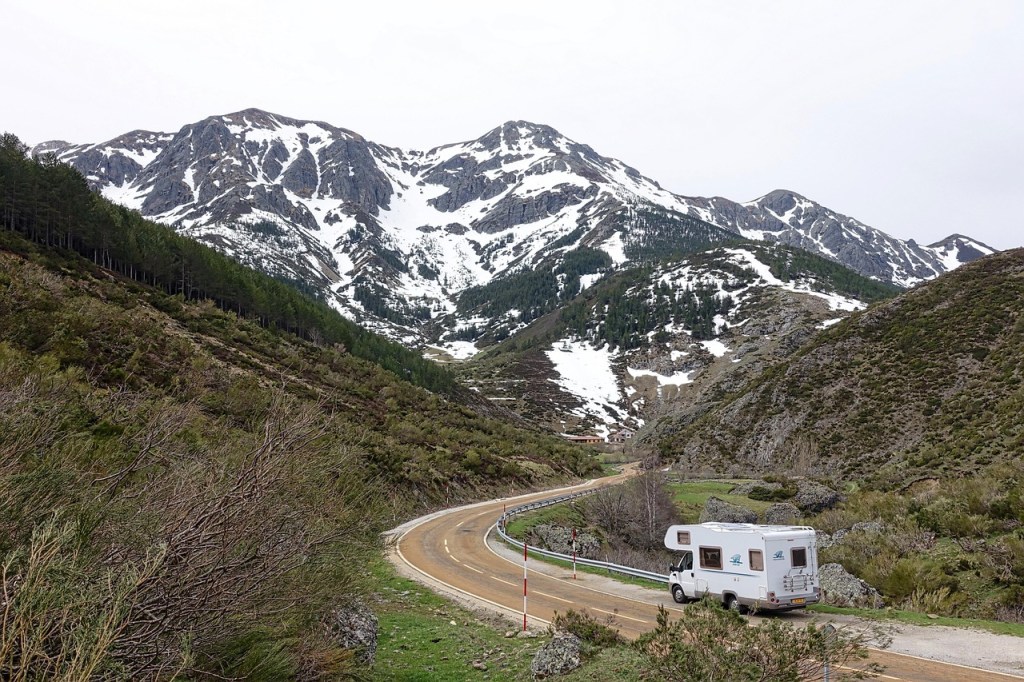
RVing through mountainous regions offers some of the most breathtaking and rewarding travel experiences. Towering peaks, winding roads, and remote campsites create a sense of adventure that flatland routes simply can’t match. But along with the beauty comes a few extra considerations that can make or break your trip. If you’re new to mountain RVing, or just looking to make your next trip smoother, there are a few key things to keep in mind.
First, let’s talk driving. Mountain roads are often narrow, steep, and unpredictable. Always downshift when going downhill — it reduces wear on your brakes and gives you more control. Before your trip, inspect your brake pads and fluid levels. If you’re towing, make sure your hitch and weight distribution system are dialed in. GPS doesn’t always cut it in remote areas, so carrying a physical map or downloading offline versions via apps like Gaia or AllTrails is a smart move.
Mountain weather changes fast — sun in the valley can mean snow on the summit. Always pack for variable conditions. You’ll want layers, rain protection, and a good portable heater just in case temperatures drop. Many mountain campgrounds are primitive or boondocking-only, so it’s essential to prep for off-grid living. That means having a solid solar setup, enough fresh water, and a plan for waste management. The Jackery Explorer 1000 Portable Power Station is a solid choice for keeping essential devices charged without needing to fire up a noisy generator.
Campsites in mountain areas can fill up quickly during peak season, especially near national parks. If you’re planning to stay at a popular spot, reserve early or aim for shoulder seasons (late spring or early fall) to avoid crowds. Also, always check RV length restrictions before heading in — some scenic drives and campgrounds simply can’t accommodate larger rigs.
Wildlife encounters are more likely in remote areas. Always store food properly, lock up trash, and stay aware, especially in bear country. For peace of mind while you’re parked, the Tymate RV Tire Pressure Monitoring System helps keep tabs on tire conditions — crucial when you’re navigating steep, twisting roads where blowouts can be a serious hazard.
Finally, don’t rush the experience. Mountain RVing is about taking it slow — not just for safety, but for the sake of soaking it all in. Pull over at those scenic overlooks, enjoy your morning coffee with a view, and let the mountains reset your pace. There’s a freedom to RV life in the hills that’s hard to describe until you’ve felt it. With a little prep, your trip can be as smooth as the winding road ahead.
 All Outdoor Essentials